Overnight care
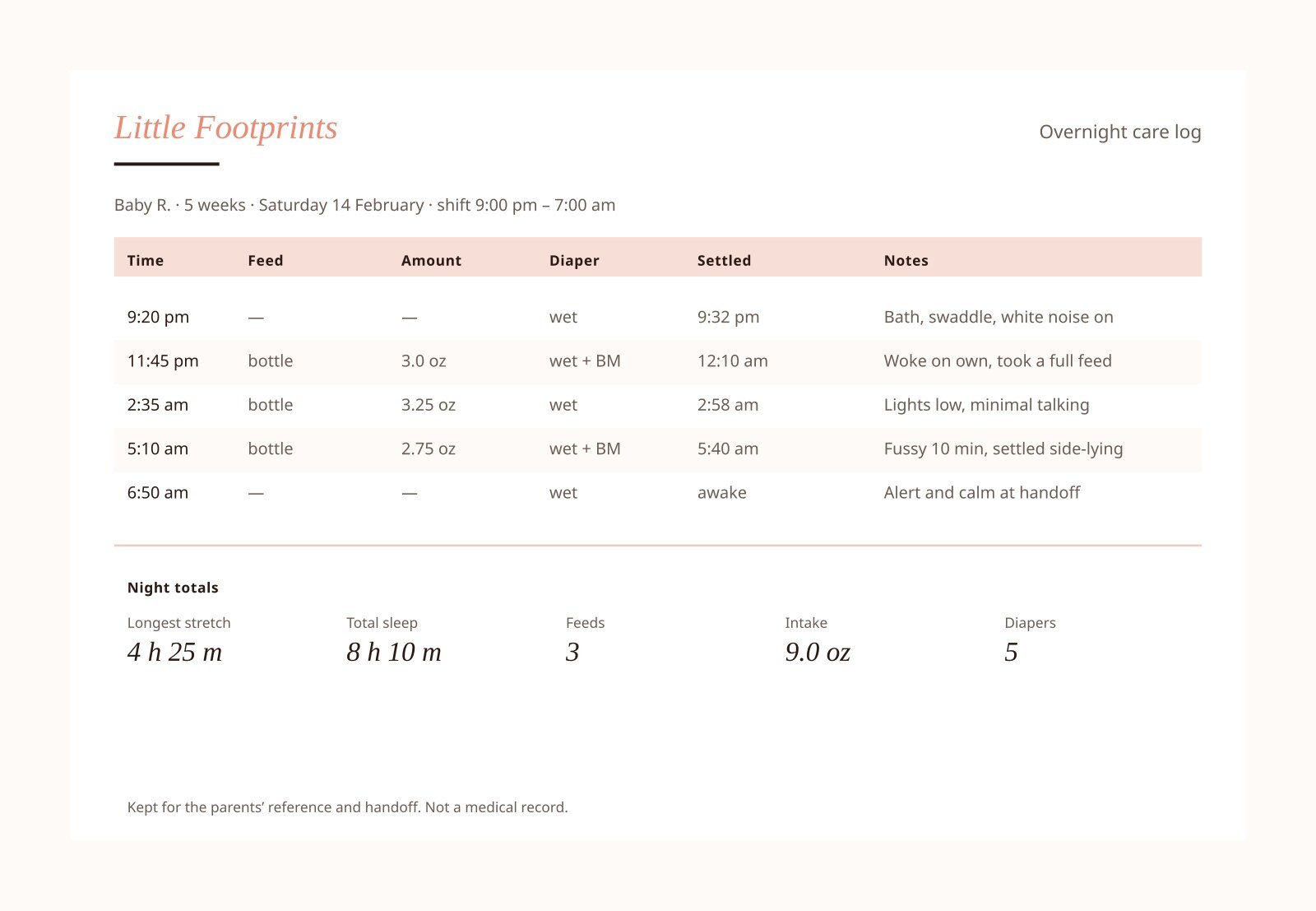
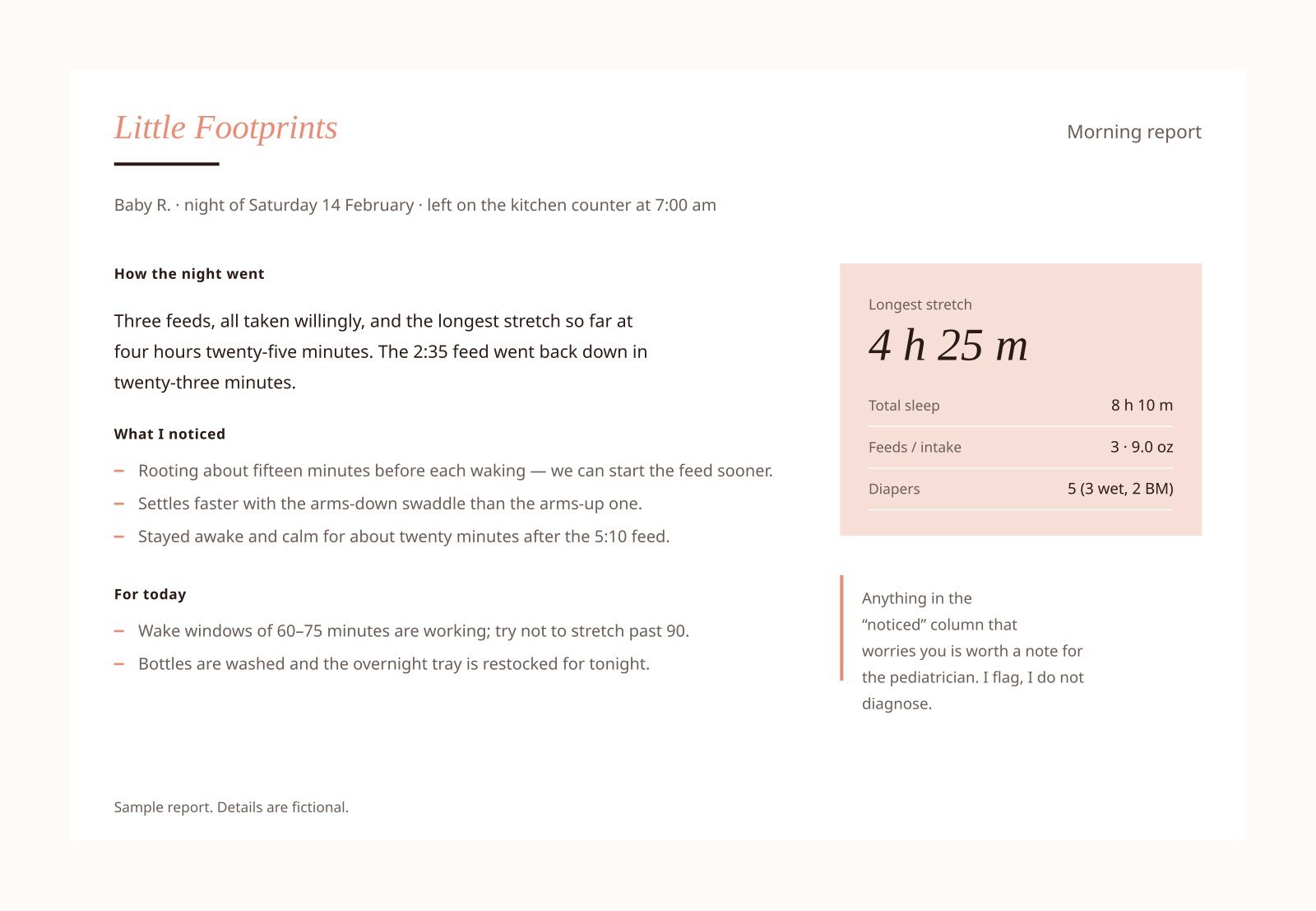
A ten to twelve hour night shift covering every feed, change and settle, with a written log and a report waiting for you in the morning.
For: Parents who need one reliable block of real sleep.Expert Care for Infants
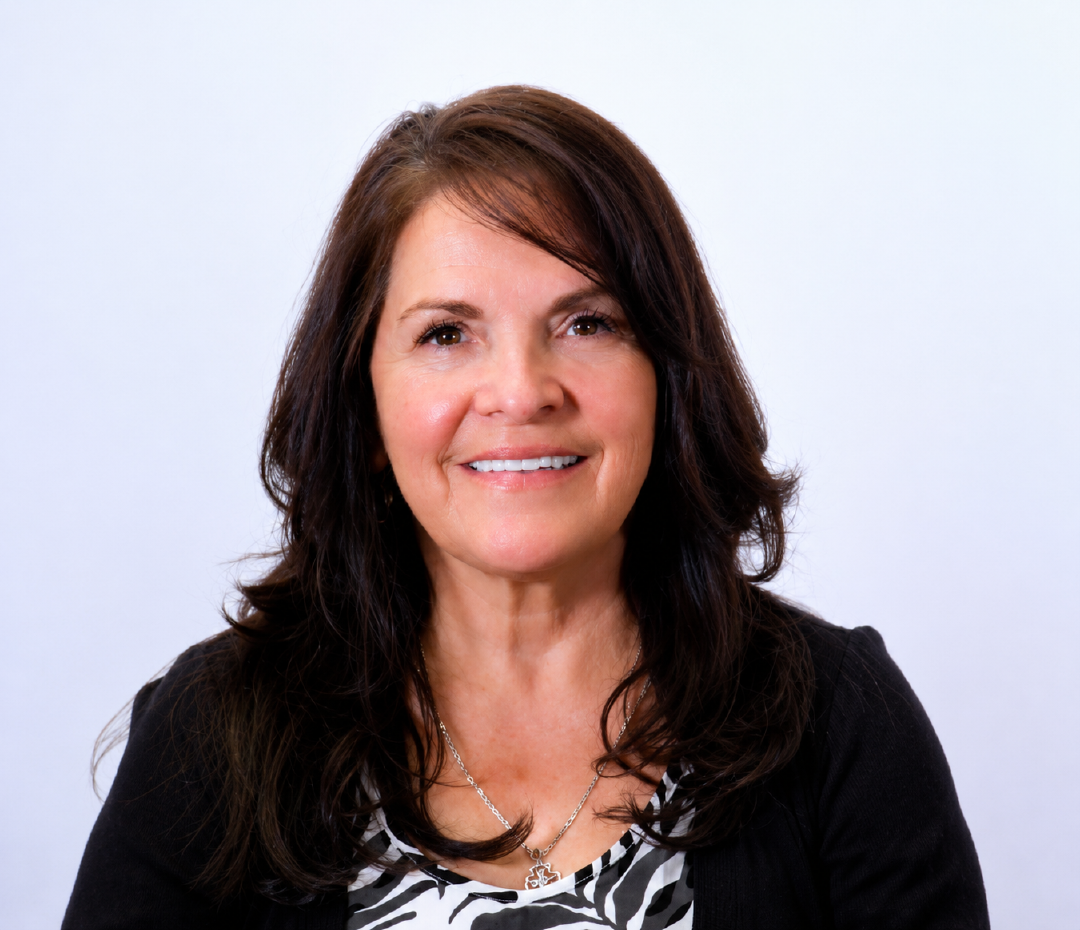
I’m Patty Cowart, Founder and certified Newborn Care Specialist. For twelve years I have spent nights with newborns so that parents wake up able to think again.
Brentwood, Santa Monica, Beverly Hills, Culver City and all of greater Los Angeles, including the San Fernando Valley and Pasadena · Now booking due dates through March 2027

Meet the Founder
I came to this work through a single night shift. I was twenty-three and training in early childhood education when a friend’s sister had twins six weeks early with nobody nearby. I stayed three nights. Twelve years later the part I love has not changed: the moment a parent walks in at seven in the morning and realises they slept.
My approach is evidence-based and unhurried. I build the routine around the baby in front of me, not a schedule out of a book. Sleep work is gradual and age-appropriate, never before a baby is developmentally ready, and always yours to stop. I keep written logs so your pediatrician has real numbers rather than a tired guess.
What I am not: I do not diagnose, prescribe or treat, and I do not replace your pediatrician or an IBCLC. When something is outside my scope I say so that same night and help you find the right person.
Patty Cowart
Services
Six ways to work together. Which one you need usually becomes obvious in the first ten minutes of a call.
A ten to twelve hour night shift covering every feed, change and settle, with a written log and a report waiting for you in the morning.
For: Parents who need one reliable block of real sleep.Round-the-clock coverage with a scheduled rest period built into my day, or a second specialist arranged so the house is never uncovered.
For: The first weeks home, a cesarean recovery, or a family that travels.Daytime hours covering feeds, naps, bottle prep and the baby’s laundry — plus an hour where you sleep instead of hosting me.
For: Parents who are surviving the nights but losing the days.Paired feeding and sleep schedules for twins or triplets, and unhurried handling for babies who came home small.
For: Families discharged from the NICU, or expecting more than one.From around twelve weeks: wake windows, a consistent wind-down and gradual, age-appropriate settling you can keep running after I leave.
For: Families who want the habit to outlast the help.Paced bottle feeding, night-feed logistics, and hands-on coaching so you can do every part of it without me in the room.
For: Anyone who wants to feel competent rather than dependent.The process
Five steps, in this order, every time. Nothing starts before something is written down.
Fifteen to twenty minutes, free, no pitch. Your due date, your household, and the thing you are actually worried about.
A written scope, a schedule, rates, and what happens if the baby is early. You read it and sign it before any deposit.
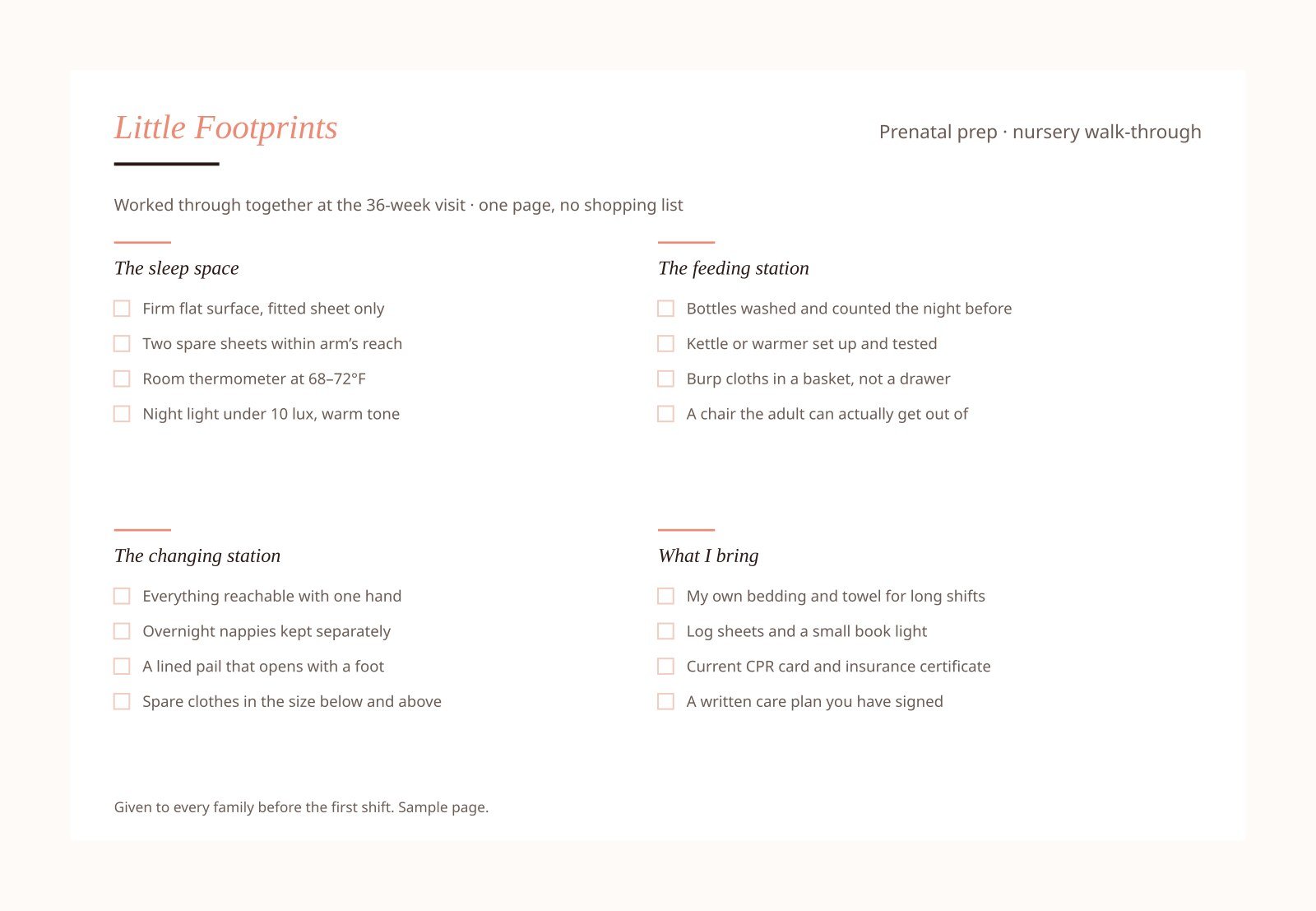
One visit around week thirty-six: the nursery walk-through, the feeding station, and where I sleep on long shifts.
Usually within forty-eight hours of your call from the hospital. A log from the first night, a report every morning.
We taper on purpose. By the last week you are running the routine and I am only the backup.
Portfolio
Names, dates and identifying details are removed. The scope, the work and the outcome are exactly as they happened.
Sleeping six-hour stretches by week ten.
Both babies, on the same night, three weeks after their adjusted due date.
Five uninterrupted nights a week by week three.
Her partner ran the same routine on the other two.

Nine protected hours of sleep, five nights a week.
By week eight both parents were making the daily calls themselves.

The routine held across an eight-hour time change.
Two nights of disruption, then back to the pre-move pattern.

Families
“We interviewed four people. She was the only one who asked what we were afraid of before she told us what she charged.”
“Our twins came five weeks early and the whole plan fell apart. She rebuilt it over the phone from the NICU parking lot and was at our door the night we came home.”
“I was nervous about handing a newborn to anybody. By the second week I was handing her the baby and going to bed without a speech. The morning reports are still on our fridge.”
Published with each family’s written permission, shortened only for length. Full references are available on request once we have spoken.
Credentials
This list is the difference between a Newborn Care Specialist and a night nanny. Every line is verifiable, and I bring the certificates to the first visit.
I am not a registered nurse, a physician or an IBCLC, and I do not describe myself as any of those.
Investment
Ranges, published on purpose. If the numbers do not work for your family it is kinder for both of us to know that before a phone call.
These are starting rates, not a quote. Twins, triplets and babies discharged from the NICU are priced separately, and holidays are at a higher rate agreed in advance.
A twenty-five per cent deposit holds your due-date window and is credited against your first invoice; the balance is invoiced weekly. Nothing is charged before a contract is signed.
Depending on how we structure the work, your family may be a household employer for tax purposes rather than hiring a contractor. I will tell you which arrangement I believe applies and can recommend a payroll service — but I am not a tax adviser, and you should confirm it with yours.
Questions
A Newborn Care Specialist is trained and certified specifically in the first months of life: feeding, sleep shaping, soothing, and the practical side of recovery at home. A night nanny is a childcare role that happens to run overnight and does not imply newborn-specific training. “Baby nurse” is an old term that is still used casually, but in California a person may only call themselves a nurse if they hold a nursing licence — I do not, and neither do most people described that way. A postpartum doula supports the whole family and the parents’ recovery, often including emotional support and household help, with a scope that is deliberately broader than mine.
If you want someone focused on the baby overnight, that is me. If you want someone focused on you, ask me and I will recommend two doulas I trust.
The second trimester is the honest answer. Most of my due-date windows are held four to six months ahead, and twins go faster than singletons. That said, I keep one window open each month for late enquiries and NICU discharges, so ask even if you are past thirty-six weeks.
Your contract holds a window, not a date — typically two weeks either side of your due date. If the baby comes early I start early, and if that overlaps a family finishing their block I arrange cover with a specialist I have worked with and introduce you first. If the baby is late, the block simply shifts. Your deposit moves with you and is not forfeited for a change in the baby’s timing.
I am vaccinated against influenza, Tdap and COVID-19 and I will show you the record. I do not work with a fever, a cough, a stomach illness, or within forty-eight hours of symptoms resolving, and I will lose a shift rather than bring something into a house with a newborn. I ask the same of the household and I will tell you if I think a visit should be postponed. If I cancel for illness, you are not charged and I offer a replacement specialist where I can.
Yes, and yes. Confidentiality is in my standard contract already, and I will sign your family’s NDA without negotiation. I do not post about families, I do not discuss one household in another, and nothing on this website identifies anyone: every case study is anonymised and every photograph of a baby is published only with written parental permission.
My regular area is Brentwood, Santa Monica, Beverly Hills, Culver City and all of greater Los Angeles, including the San Fernando Valley and Pasadena. I travel with families — domestically and internationally — for relocations, extended stays and holidays, with travel, accommodation and a day rate agreed in writing beforehand. I hold a current passport.
For a standard ten to twelve hour night shift: somewhere to sit near the baby and access to a bathroom. That is genuinely all.
For 24-hour or live-in work, a real rest period is not a courtesy, it is a safety requirement — a tired caregiver is a worse caregiver. I need a private room with a door and a bed, access to a bathroom, and an agreed uninterrupted five-hour block in every twenty-four. For seven-day coverage I will arrange a second specialist rather than pretend one person can do it well.
I do not diagnose, I do not prescribe, I do not give medical advice and I do not treat anything. I am not a nurse, a physician or an IBCLC. I can support a feeding plan, I cannot assess a tongue tie or a supply problem — that is an IBCLC’s work and I will tell you when you need one. I will not sleep-train a baby who is not developmentally ready, and I will not use a method a parent has asked me not to use. When something is outside my scope I say so the same night, in writing, and help you find the right person.
Often. On a night shift I bring the baby to you for the feeds you want to take and handle everything on either side of them, or I give expressed milk so you can sleep through — whichever you decide, and you can change your mind any night. As a Certified Lactation Counselor I can help with positioning, pacing and bottle acceptance. Anything beyond that goes to an IBCLC.
Either of us can end the arrangement with two weeks’ notice and no argument, and unused prepaid nights are refunded. If the fit is wrong I would rather find that out in week one and hand you to someone better suited. There is no version of this where you are stuck with a person you do not want in your house at three in the morning.
The consultation is free: 15–20 minutes, by phone or video.